Nina Campbell On Decorating
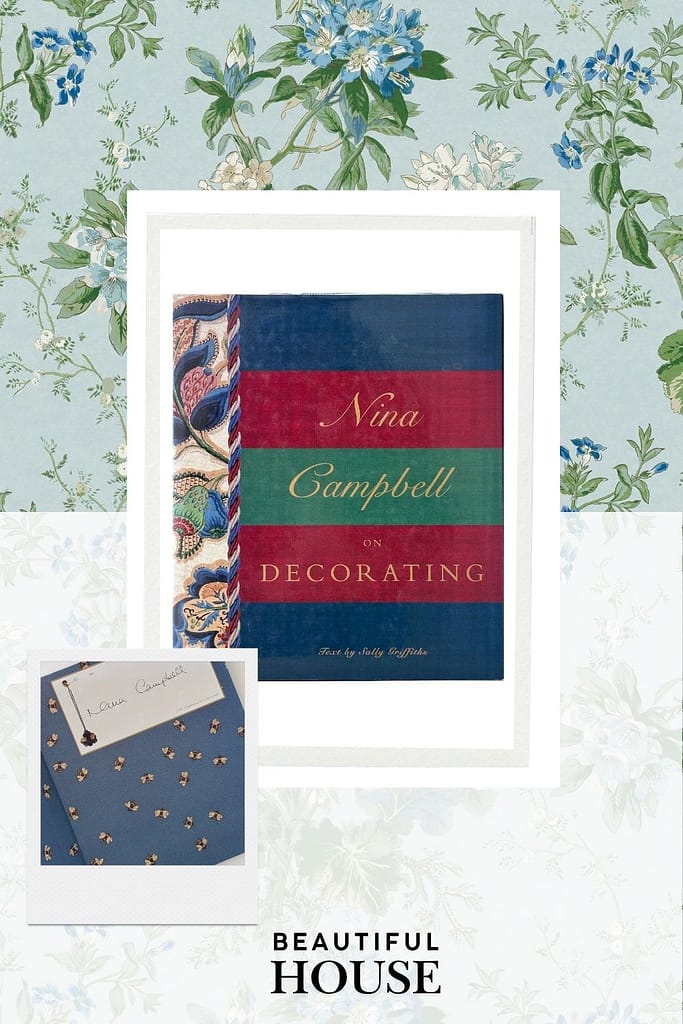
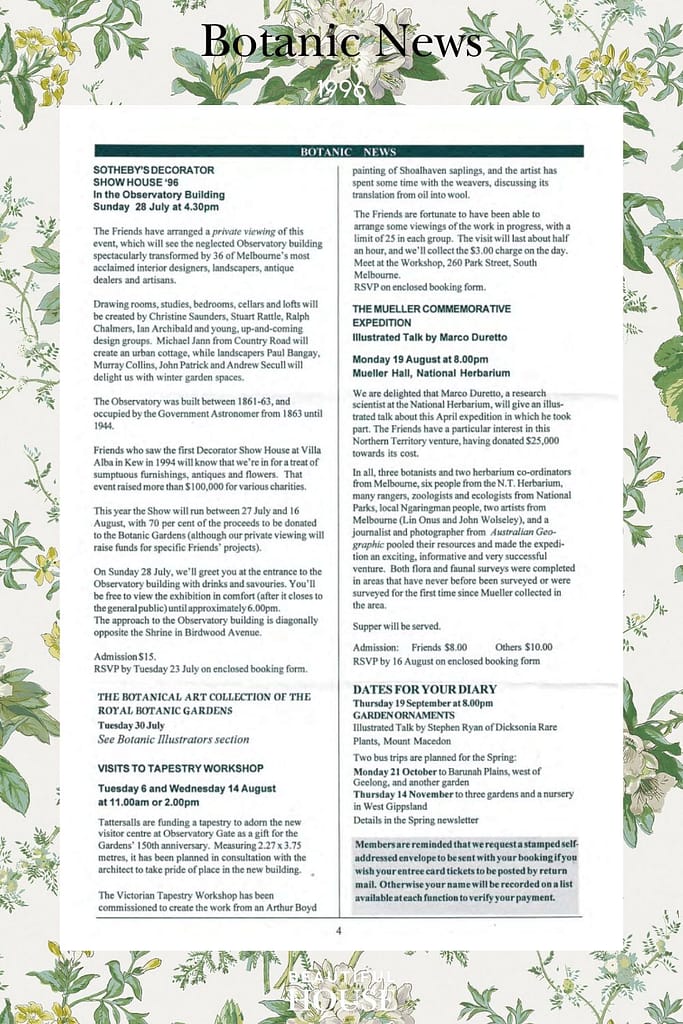
Long before Pinterest boards and Instagram inspiration, there were books that became treasured companions and exhibitions that stayed with you for a lifetime. In 1996, while studying Interior Design, I visited the Sotheby’s Decorator Show House at Melbourne’s Royal Botanic Gardens Observatory. Among the beautifully decorated rooms and endless inspiration, I met one of Britain’s most celebrated decorators, Nina Campbell, and left with a signed copy of her book that I still treasure today.
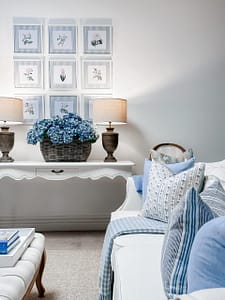
Nina Campbell is renowned for her elegant, comfortable, and distinctly English aesthetic. She is famous for revitalizing traditional decor with a signature blend of warm colours, layered textures, and plush upholstery.
The 1996 Sotheby’s Decorator Showcase was hosted in the historic 1860s Melbourne Observatory buildings. The event transformed the then-neglected Observatory into a showcase featuring 36 of Melbourne’s leading interior designers, landscapers, antique dealers and artisans. This landmark project served as a fundraiser for the Royal Botanic Gardens, momentarily transforming individual heritage rooms, including the old transit rooms and offices into highly theatrical, top-tier design vignettes.
Over the years that book has travelled through different homes, different seasons of life, and countless cups of tea while dreaming about interiors. Its pages are still filled with timeless rooms that feel collected rather than decorated, comfortable rather than perfect.

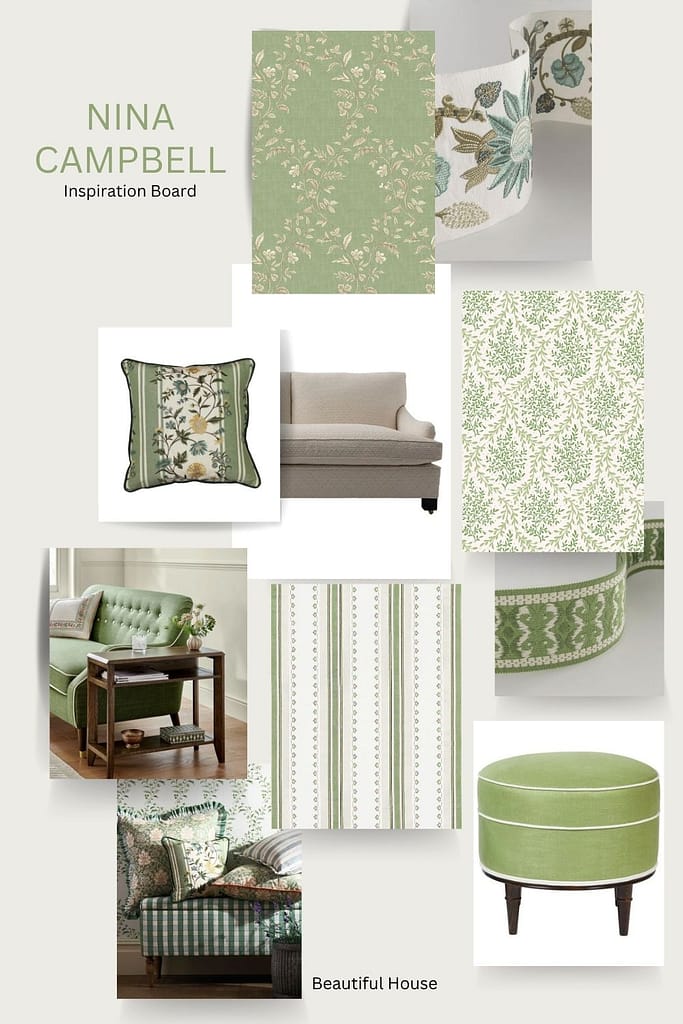
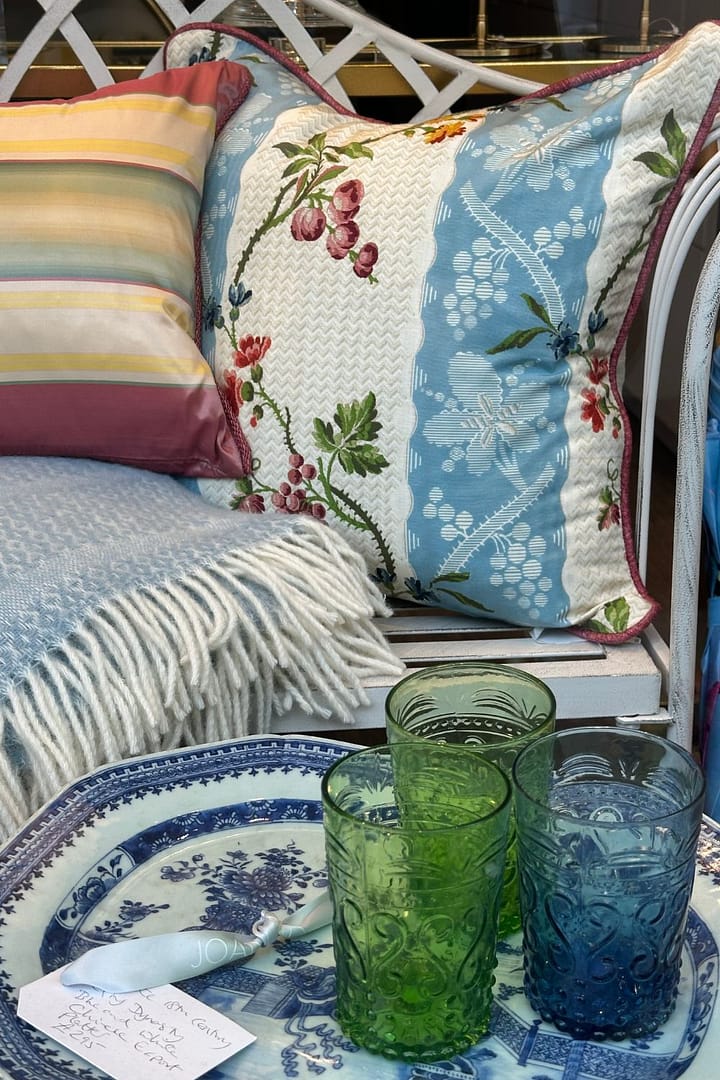
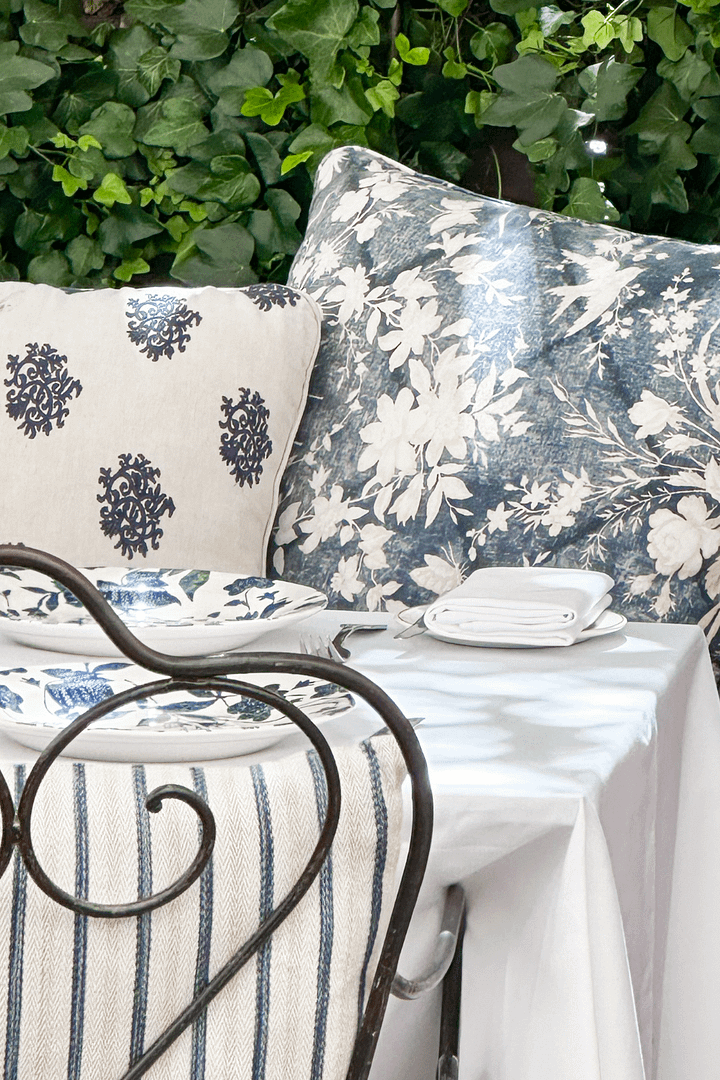
Nina Campbell Honfleur Hollingbourne Trellis Olive | Trianon Floral Aqua/Beige/Ivory | Cushion Honfleur Colmar Green Yellow | Nina Sofa | Dallimore Bedgebury Green | Athena Mabel Stripe Green/Chocolate | Trimming Trianon Braid Green/Ivory
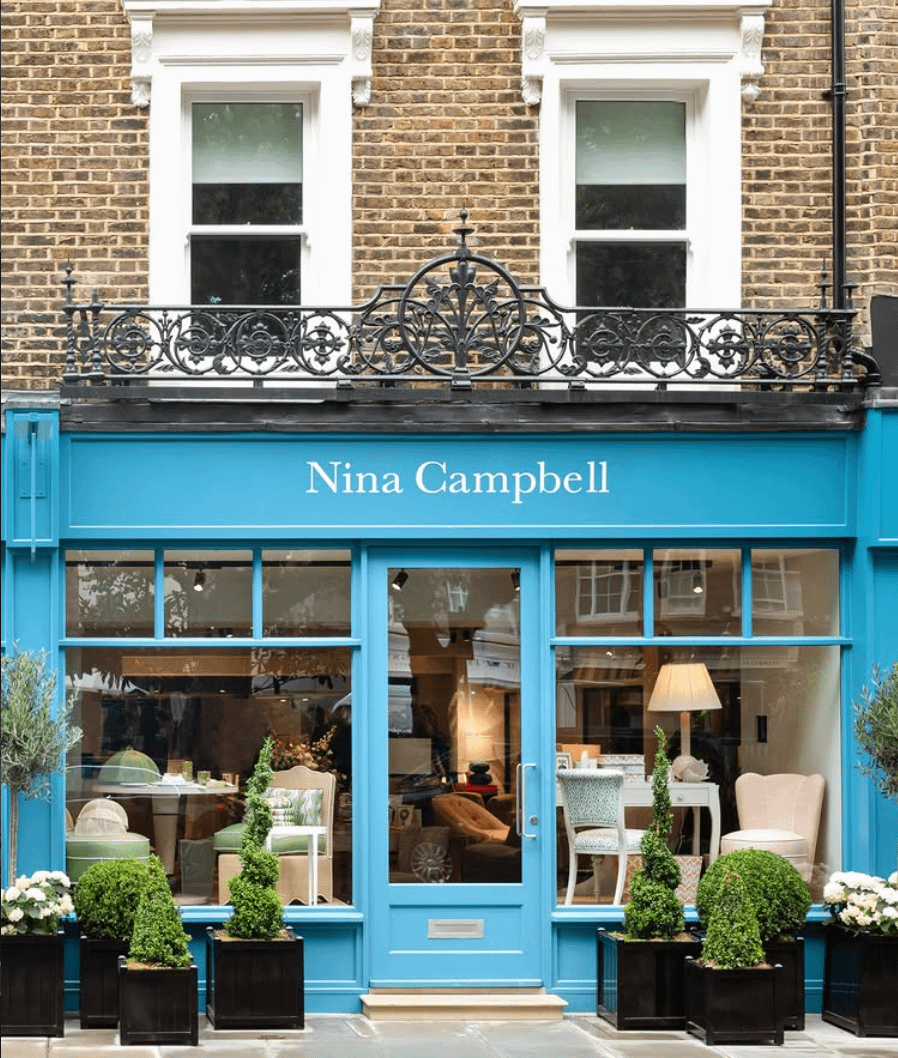
Last year, while visiting London, after we had wondered through Belgravia, I found myself standing outside Nina Campbell’s beautiful store in Pimlico Road, London.

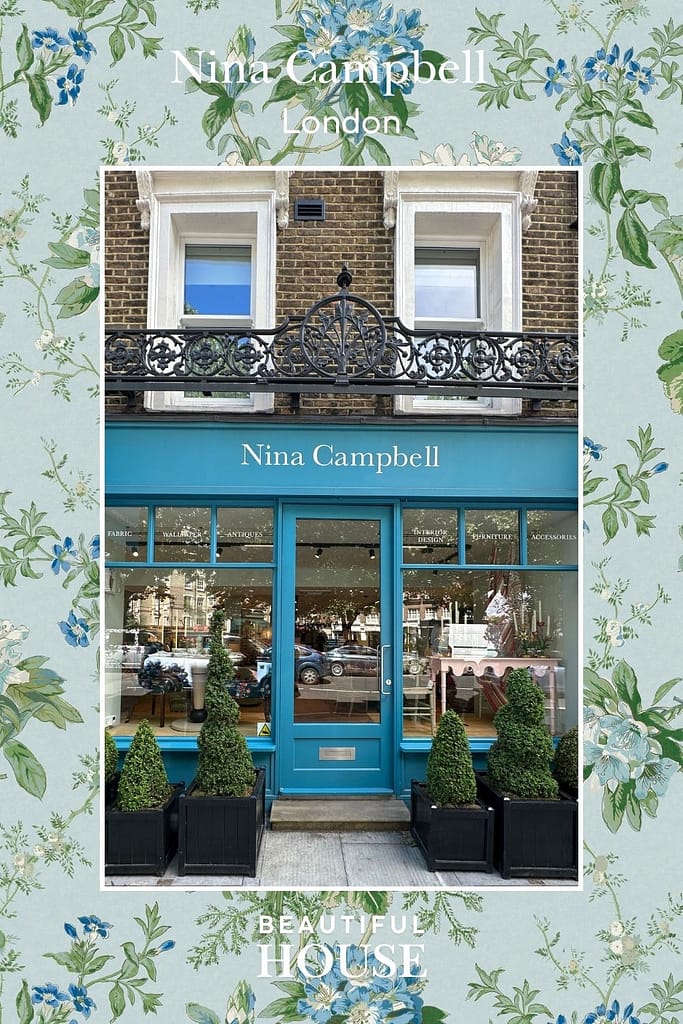
Walking through the doors felt like stepping into the pages of the very book that had inspired me all those years ago. The layers of colour, furnishings, fabrics and pattern were unmistakably hers, classic English decorating with warmth, confidence and a wonderful sense of personality.
It reminded me that good design doesn’t chase trends. It tells stories. It mixes old with new, celebrates craftsmanship, and creates homes that feel as though they’ve evolved naturally over time.
I still have that signed book. Its pages are a little older now, but the inspiration feels just as fresh.
Sometimes the most meaningful design influences aren’t the newest ones. They’re the ones that quietly stay with us for years, waiting to inspire us again.
And I think that’s rather beautiful.